


Most best AI tools lists are written by the vendors selling them, or by sites that get paid every time you click through. This hub is neither. It’s where Techhavell reviews the AI agents, agent builders, and automation platforms a small business is actually likely to consider what each one does well, where it breaks down, and what it really costs once you’re past the marketing page.
Three things live here: single-tool reviews that go deep on one platform, head-to-head comparisons for when you’re choosing between two or three finalists, and budget-focused roundups for businesses that need something that works without a big monthly bill. Pick the one that matches the decision you’re actually trying to make.
What Counts as an “AI and Automation Tool” Here
This hub covers two related but distinct categories, and it’s worth being clear about the difference before you start comparing options.
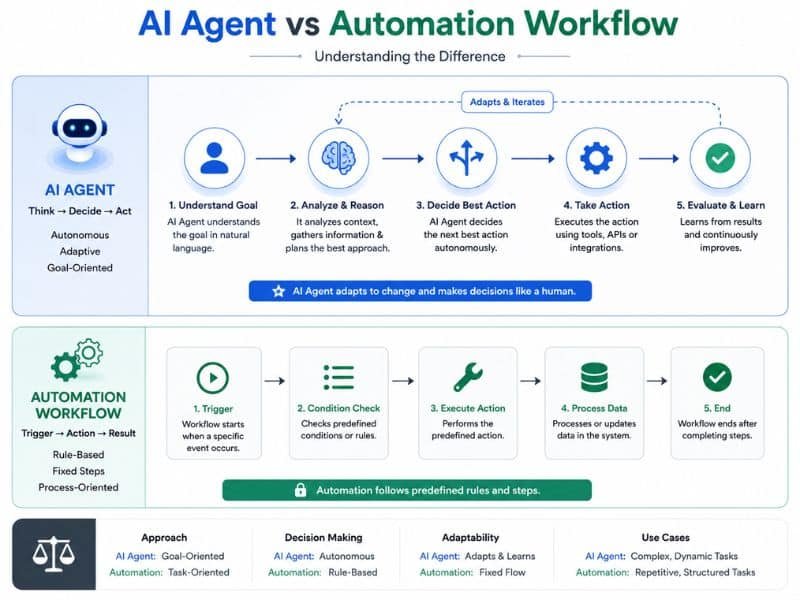
AI agents are tools that can take an input, make a decision, and carry out a multi-step task with limited human input answering a customer question and updating a record, for example, not just replying to a message. No-code automation platforms (Zapier, Make, n8n, and similar) connect your existing apps and move data between them on a trigger, usually without any decision-making layer of their own. A lot of real setups blend both: an automation platform handles the plumbing, and an AI agent handles the parts that need judgment. Reviews on this hub note which category a tool falls into, since that changes what a fair comparison looks like.
How These Reviews Get Written
Techhavell tests tools hands-on before writing about them, rather than summarizing a vendor’s feature page. That means signing up, building a real workflow, and using it long enough to hit the parts that don’t show up in a demo video the setup step that’s more fiddly than advertised, the integration that needs a workaround, the point where the free tier stops being free.
Every review on this hub follows the same structure so you can compare across tools without relearning a new format each time: what the tool is for, who it actually fits, current pricing with a variability caveat (vendors change plans often), where it falls short, and an honest verdict rather than a hedge. A tool that’s wrong for your business isn’t a bad tool it just isn’t the fit, and a review that pretends everything is a five-star match isn’t useful to anyone making a real decision.
What These Tools Actually Cost
Pricing across this category moves fast, and a number that’s accurate this month can be stale by the next billing cycle. Most platforms use one of three models: a flat monthly seat price, a usage-based price tied to tasks or automation runs, or a hybrid where a base plan caps out and overages get billed separately. Usage-based pricing is the one that surprises people — a workflow that ran fine in testing can quietly cross into a higher tier once real customer volume hits it.
Pricing in individual reviews and comparisons on this hub is checked against current vendor pages before publish, and every article notes that costs vary by region, billing cycle, and plan changes the vendor may have made since. Treat any specific number as a starting point for your own quote, not a guarantee.
Where These Tools Commonly Fail
Vendor pages rarely mention this, so it’s worth stating plainly: every tool in this category has failure modes, and knowing them before you commit saves a lot of wasted setup time.
- Integration gaps: a tool that claims to “connect with everything” often means a shallow integration that breaks on edge cases (a CRM field that doesn’t map cleanly, for example).
- Free-tier bait: some free plans are genuinely usable long-term; others are deliberately capped low enough to force an upgrade within weeks.
- Learning curve mismatch: a platform built for developers can look simple in a demo and still take a non-technical owner far longer to configure than advertised.
- Silent price increases: usage-based tools can jump tiers with no warning if volume spikes, which matters more for a growing business than a stable one.
- Vendor lock-in on data: some platforms make it easy to get data in and deliberately awkward to get it back out if you switch later.
Reviews on this hub call these out by name where they apply to a specific tool, rather than burying them under a generic “cons” bullet.
How This Fits with Techhavell’s Other Guides
This hub is the practical, tool-by-tool companion to AI Agents for Small Business: The Complete Guide, which covers what AI agents are and how to decide if you need one, and to No-Code Automation for Small Business: Full Guide, which covers automation platforms and processes more broadly. Start with those two guides if you’re still deciding whether to adopt an agent or automation tool. Come back here once you know what you’re comparing.
Frequently Asked Questions
Are these tool reviews sponsored or affiliate-based?
No. Techhavell tests tools directly and writes the review based on that hands-on use, not on a payment or referral relationship with the vendor.
How often are the reviews and pricing updated?
Pricing and feature details are checked against current vendor pages before each review publishes, and pillar and review pages get a full review at least every six months or sooner if a tool changes materially.
What’s the difference between an AI agent review and a no-code automation review on this hub?
An AI agent review covers a tool that can make decisions and carry out multi-step tasks with limited input. A no-code automation review covers a tool that mainly connects apps and moves data on a trigger, without its own decision-making layer.
Do you only review paid tools?
No the budget-conscious roundups specifically cover free tiers and low-cost options, and every individual review notes whether a usable free plan exists.
How do I know which review to start with?
If you already know the tool’s name, start with its individual review. If you’re choosing between two finalists, go to the head-to-head comparisons. If cost is the main constraint, start with the budget-conscious roundups.