


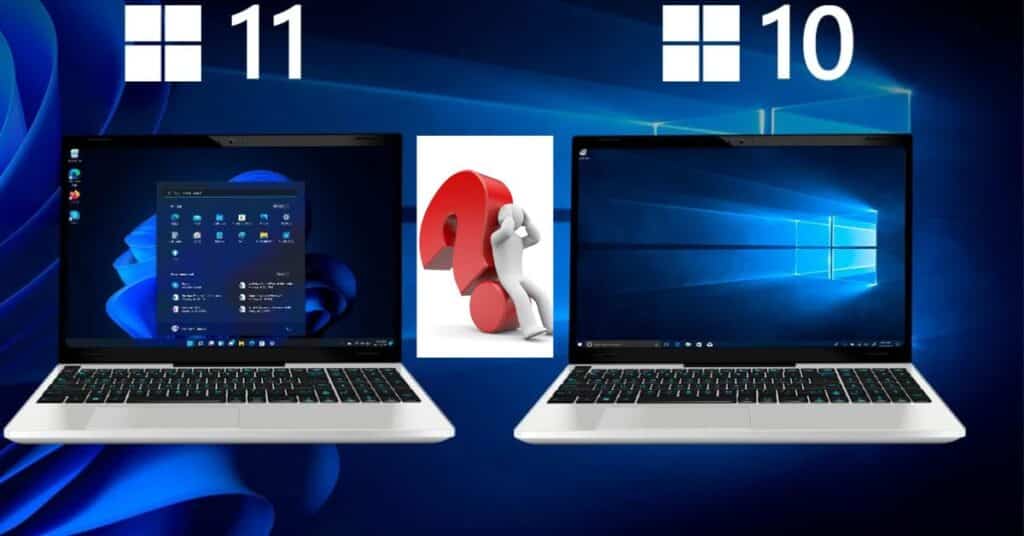
Windows 11 continues to face criticism from users, many of whom feel the operating system lacks the improvements expected over Windows 10. Despite being launched four years ago, Windows 11 is still seen as slower and more bug-ridden than its predecessor, with complaints about missing features and a clunky interface contributing to user dissatisfaction. This has fostered hesitation among Windows 10 users to upgrade.
The recent push by Microsoft to incorporate AI agents deeply into Windows 11 has intensified the backlash. The company’s vision of an “agentic OS,” where AI autonomously assists users across tasks, has not been well-received. Many users argue that Microsoft should address ongoing basic performance and stability issues before prioritizing AI enhancements that some find intrusive or unnecessary.
Microsoft’s timing in promoting AI features in Windows 11 coincided closely with the October 2025 end of support for Windows 10. This move was presumably intended to encourage Windows 10 users to upgrade for better security and new capabilities. However, the backlash over Windows 11’s buggy state and unpolished features has caused many to delay upgrading or seek alternatives outside Microsoft’s ecosystem.
A key concern among users is the sluggishness of core Windows 11 functions compared to Windows 10. For example, File Explorer performance has been frequently highlighted as noticeably slower. Tasks that were smooth in Windows 10 now feel delayed under Windows 11, exacerbating frustrations for those trying to make the switch.
The user interface inconsistencies and unfinished elements continue to draw criticism. Updates have introduced features like smaller taskbar icons that do not integrate well visually, leaving the interface feeling incomplete. Such issues contribute to a perception that Windows 11 is still not ready for widespread adoption
Dell has noted that the adoption rate of Windows 11 remains sluggish and PC sales look flat, indicating that a large proportion of users and enterprise clients prefer to stick with Windows 10 or consider Linux alternatives. The skepticism around Windows 11’s stability, combined with a slow transition strategy, is a hurdle Microsoft needs to overcome.
Microsoft acknowledges these criticisms and has pledged to balance the AI ambitions with fixing stability and user experience concerns. Yet, the question remains whether Windows 11 can regain trust amid intense competition and user reluctance. For now, many Windows 10 users remain hesitant, prioritizing reliability over early AI integration promises.
