




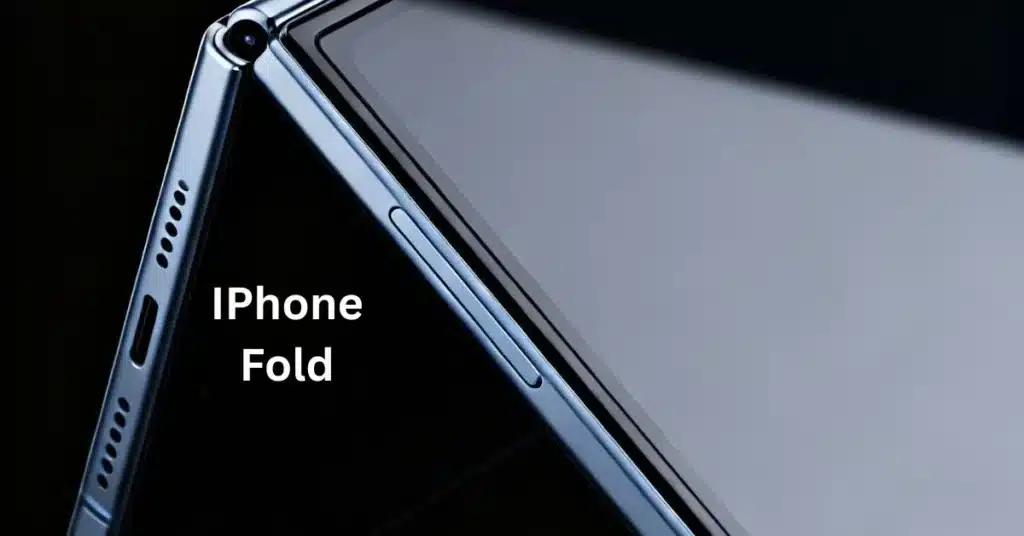
The iPhone Fold has entered an advanced stage of production following a breakthrough in eliminating the crease that typically appears on folding phones when unfolded. Apple, working closely with Samsung, redesigned key display elements to create a crease-free experience, overcoming a challenge that has plagued folding devices for years. This innovation positions Apple’s foldable device as a leading contender in the foldable market.
Folding phones have struggled with issues such as vulnerability to dust damage inside the fold and the ugly central crease on the screen. Apple has taken a hands-on approach to tackle these problems by redesigning the panel structure and the fold mechanism. Their custom manufacturing process, shared with suppliers New Rixing and Amfeno, is aimed at delivering a seamless and durable folding display with no permanent crease.
Now moving into the engineering validation phase, also known as EVT, the iPhone Fold is transitioning from prototypes to near-final units. This phase involves producing around a hundred functional devices for rigorous testing. The Honghai Group has reportedly established a dedicated production line for the device, indicating Apple’s commitment to launching the foldable iPhone soon, with a possible release date in 2026.
Pricing for the iPhone Fold is expected to be premium, with reports suggesting a price tag as high as $2,400. This reflects the high manufacturing costs of advanced materials and components required for the foldable design. Despite the price, market analysts project strong demand, estimating sales of over 15 million units throughout the product’s lifecycle.
Rumors suggest the iPhone Fold will be powered by Apple’s next-generation 2nm A20 Pro chip and run iOS 27. It will feature an 8-inch LTPO+ flexible OLED screen similar in size to an iPad Mini, with an additional 5 to 6-inch cover display. With these innovations, Apple’s foldable phone could revolutionize the smartphone landscape when it launches alongside the iPhone 18 Pro series next year.
