




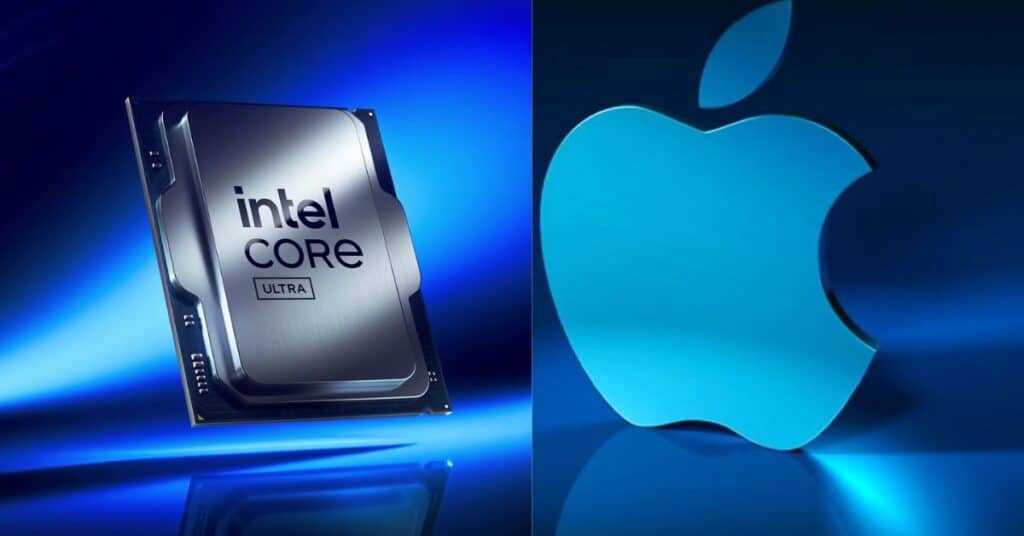
Intel might power Apple computers again starting 2027, according to supply chain analyst Ming-Chi Kuo. He predicts Apple’s lowest-end M-series chips could be produced by Intel using its 18AP advanced node technology starting in mid-2027. This would mark a significant shift since Apple currently relies primarily on Taiwan’s TSMC for chip manufacturing.
Apple has reportedly signed a non-disclosure agreement with Intel to acquire the 18AP Process Design Kit (PDK) version 0.9.1GA. The company awaits the release of PDK 1.0/1.1, expected in early 2026. If development proceeds smoothly, Intel could begin manufacturing Apple’s entry-level M-series processors within the second or third quarter of 2027.
This potential partnership would diversify Apple’s supply chain beyond its exclusive use of TSMC, which currently produces chips for iPhones, iPads, and higher-end Mac models. Diversification could reduce supply risks and increase Apple’s bargaining power while boosting American semiconductor manufacturing
The move may also help Apple demonstrate to the Trump administration that it is committed to “buying American” by incorporating more U.S.-based suppliers into its production ecosystem. Intel’s chip manufacturing would align with recent U.S. government efforts to support domestic semiconductor production.
Intel’s 18AP advanced node benefits from RibbonFET transistor architecture and PowerVia backside power delivery. This technology aims for improved performance, energy efficiency, and transistor density. Intel’s delivery of production-ready PDKs has gained positive ecosystem support, reinforcing its readiness for high-volume chip manufacturing
Intel’s resurgence with Apple comes after years of setbacks. Intel missed out on supplying chips for the original iPhone and lagged behind in manufacturing technology compared to competitors. A deal with Apple would signal Intel’s rebound and could open doors to orders from other top-tier customers.
Intel’s 14A and 18A manufacturing nodes are expected to deliver performance gains of 15-20%, transistor density improvements of around 30%, and significant power savings compared to previous nodes. Mass production on these nodes is planned for the late 2020s, making Intel a viable foundry for advanced chips
Apple’s collaboration with Intel would likely focus on entry-level M-series processors, while TSMC would continue supplying higher-end chips and iPhone processors. This strategic split could optimize costs and innovation pace across Apple’s chip lineup
The timing hinges critically on Intel delivering the PDK 1.0/1.1 kit on schedule and subsequent chip development milestones. Any delay in this process could push back Intel’s readiness to produce Apple chips, but if all goes well, the 2027 target remains achievable.
Overall, the potential Intel-Apple partnership signifies a pivotal shift in Apple’s chip supply strategy, balancing innovation leadership, geopolitical considerations, and supply chain resilience—all while revitalizing Intel’s foundry ambitions.
