
How AI Agents Are Changing the Way You Use Your PC
For years, Windows maintained a familiar identity. Version updates brought visual tweaks and fresh tools, yet the underlying experience remained constant. Microsoft’s ambitious redesign with Windows 8 disrupted that stability, but users quickly pushed back. The company reverted to a traditional structure, reassuring customers who valued practicality over radical innovation in their daily computing environments.
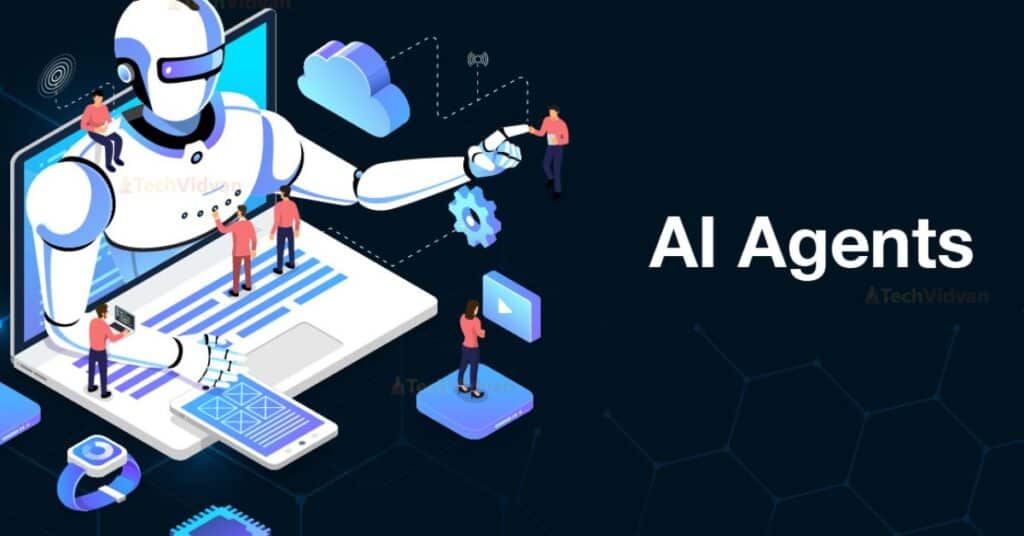
Now, a new transformation is underway, and this time, artificial intelligence sits at the core. Under CEO Satya Nadella’s leadership, Microsoft is infusing AI-powered agents directly into Windows. These agents are designed to anticipate user needs, automate routine actions, and serve as personal digital assistants embedded across system experiences—from the taskbar to file navigation.
Unlike past updates, this evolution could redefine how people interact with their computers. Instead of opening menus or searching manually, users might soon rely on conversational queries or proactive suggestions from their AI companion. It marks a shift from reactive computing toward predictive, context-aware engagement, where the system understands intent rather than waiting for explicit commands.
The Verge’s tech analysts Nilay Patel and David Pierce explored this shift in a recent episode of The Vergecast, raising questions about privacy, reliance, and accessibility. They discussed how AI agents could reshape productivity by learning individual habits, while also noting concerns over data safety. The discussion emphasized how deeply Microsoft’s AI-first approach could alter user workflows.
In parallel, Google’s introduction of Gemini 3 has intensified competition across the AI arena. Touted as its most advanced language model yet, Gemini 3 positions Google to rival Microsoft’s Copilot integration. Industry analysts suggest that both companies are racing to dominate the next era of computing—one centered not on hardware, but adaptive intelligence woven into daily tasks.
Meanwhile, the broader tech ecosystem faces regulatory and ethical scrutiny. The recent Meta antitrust ruling, where Judge Boasberg concluded Meta was not a monopoly, highlighted the ongoing debate over digital control and market dominance. His commentary, referencing classical philosophy, underscored how technology continues to challenge long-standing concepts of power, freedom, and user agency on the web.
As generative AI evolves, personal computing is entering a dynamic new phase. Windows, once defined by icons and interfaces, could soon center around digital agents that think, learn, and assist. Microsoft’s vision suggests a future where the PC becomes less a tool and more a partner—reshaping how humans and machines collaborate in everyday life.
