


Google’s groundbreaking AI tool AlphaFold has transformed biological research over the past five years by predicting protein structures with unprecedented accuracy, empowering over three million scientists worldwide. In the Asia-Pacific region alone, more than a third of users have leveraged this free technology to drive medical breakthroughs and uncover hidden aspects of life. From battling deadly diseases to revealing novel evolutionary branches, these innovations highlight AlphaFold’s global impact.
Battling Hidden Killers and Brain Diseases
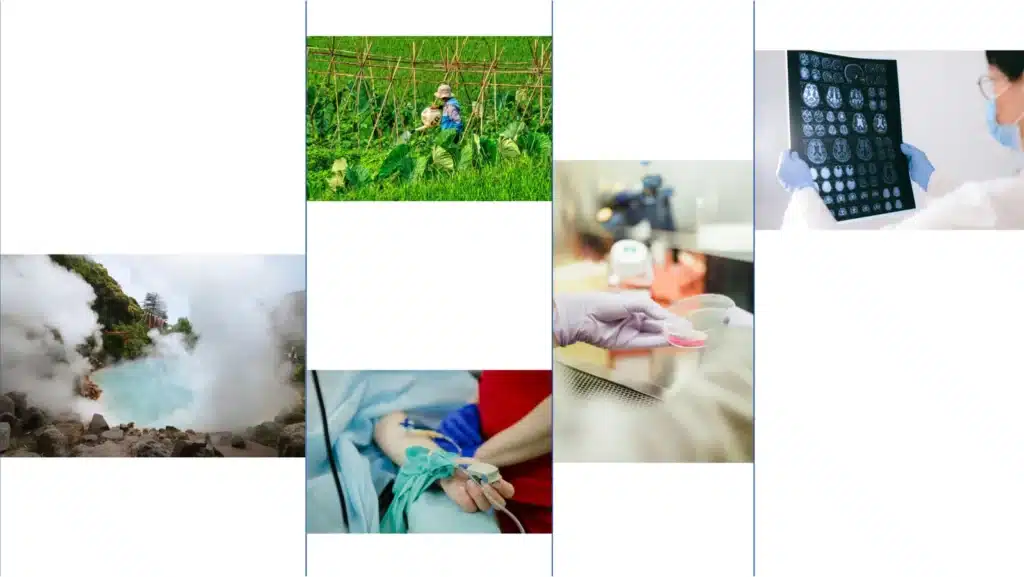
In Malaysia, researchers at the National University are targeting melioidosis, a soil- and water-borne infection that kills nearly 90,000 people annually. By modeling the pathogen’s survival proteins, teams like Dr. Su Datt Lam’s are speeding up drug discovery against this under-the-radar threat. Meanwhile, in Singapore, experts from A*STAR and the National Neuroscience Institute visualized a Parkinson’s-linked protein, exposing how immune responses sabotage its function and paving ways for early diagnostics and precise treatments.
Korean scientists at KAIST have illuminated DNA organization flaws tied to cancer, mapping elusive protein zones that reveal critical interaction points previously invisible to traditional methods. Professor Ji-Joon Song compares AlphaFold to the internet for structural biology, underscoring its role in accelerating disease research.
Pioneering New Shapes and Life Forms
Taiwan’s Academia Sinica team predicted and lab-verified a rare “71-torus knot” protein fold, expanding our understanding of nature’s structural complexity and validating AlphaFold’s predictive power for uncharted biology. In Japan, studies of hot spring microbes uncovered a novel virus family through protein modeling, branching out molecular evolution in unexpected directions.
With over 13,000 research papers from the region citing AlphaFold, including ties to the 2024 Nobel Prize in Chemistry for its creators, the tool continues fueling humanity’s fight against health crises and scientific frontiers. Asia-Pacific researchers exemplify how accessible AI democratizes discovery, promising faster solutions to pressing global challenges.
