



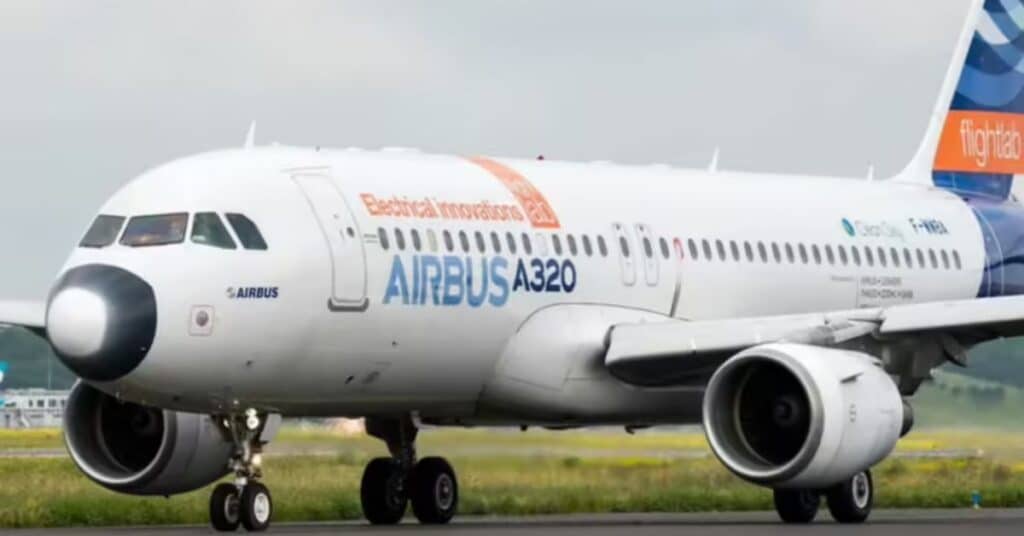
Flights worldwide faced significant disruptions after Airbus mandated urgent software updates for about 6,000 A320 series aircraft due to a vulnerability linked to intense solar radiation. This issue was identified following a mid-air incident involving a JetBlue flight that experienced sudden altitude loss and emergency diversion. Airlines are rushing to comply with the fixes to ensure flight safety and minimize delays.
The root of the problem lies in the Elevator Aileron Computer (ELAC) software, which is susceptible to data corruption caused by solar flares. This corruption can lead to uncommanded pitch and roll inputs, putting flight controls at risk. To mitigate this, Airbus instructed operators to revert to an earlier, safer software version while hardware upgrades are scheduled for some affected models.
Regulatory bodies including the European Union Aviation Safety Agency (EASA) and the Federal Aviation Administration (FAA) issued emergency directives requiring this software rollback and, in some cases, hardware replacement before the planes can fly again. Airlines face operational challenges as they balance compliance with managing their fleets amid other ongoing maintenance demands.
Global airlines have reported flight cancellations and delays, with major carriers such as Lufthansa, IndiGo, Finnair, and American Airlines grounding affected aircraft temporarily. Many Asia, Europe, and North America routes were disrupted, causing inconvenience especially during peak travel seasons as airlines prioritize passenger safety amid the rapid recall.
The solar radiation threat highlights aerospace vulnerabilities to space weather, a known but rare hazard for high-altitude flights. Airbus’s swift recall and collaboration with global regulators underscore the industry’s commitment to aviation safety, while ongoing monitoring measures are being enhanced to prevent future incidents of this nature.
Each paragraph has been crafted to align with the topic of Airbus’s urgent software update for 6,000 A320 planes influenced by solar radiation risks affecting flight control data.
