

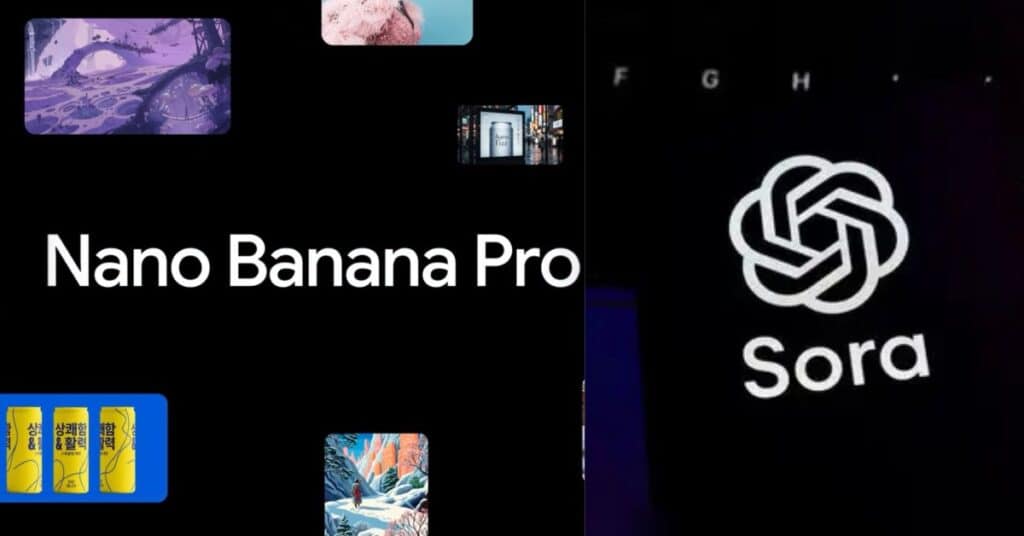
Google and OpenAI have throttled free access to their popular AI tools, Sora and Nano Banana Pro, due to skyrocketing user demand during the holiday season. Free Sora users now face a strict limit of six video generations daily, while Nano Banana Pro drops to two images per day for non-subscribers. These changes aim to stabilize servers amid intense usage
Bill Peebles, Sora’s head at OpenAI, announced the restrictions on X, bluntly stating their GPUs are “melting” from the load. He emphasized that paid options allow extra generations, signaling a shift toward monetization without calling the caps temporary. This follows patterns seen in prior high-demand phases for OpenAI products.
Google’s Nano Banana Pro, launched just last week on Gemini 3 Pro architecture, quickly overwhelmed free tiers after initial allowances of three images daily. The company updated support pages to reflect the cut to two, warning limits could fluctuate without notice to manage peak traffic. Paid subscribers retain higher quotas unchanged.
Sora’s challenges stem from massive computational costs, with reports estimating OpenAI burns millions daily on video generation alone. Holiday excitement amplified viral trends, forcing quicker rollout stalls than anticipated during its full debut earlier this year. Free limits help sustain growth while prioritizing heavy users.
Nano Banana Pro’s advanced features, like 4K exports, multilingual text rendering, and real-time Google Search integration, fueled its rapid adoption among creators. It excels in consistent character visuals and professional edits, outpacing earlier models. Yet, high demand has led to “basic access” for free Gemini 3 Pro prompts too.
Both firms now push subscriptions aggressively; OpenAI sells Sora credit bundles for $4 per ten extra videos via app stores. Google offers AI Pro and Ultra plans with up to 1000 daily images. This reflects industry-wide struggles balancing free innovation with infrastructure realities.
Industry watchers predict more such throttling as AI tools democratize creative media. OpenAI eyes pricing for Sora’s Cameo feature involving likenesses, while Google’s SynthID watermarking promotes responsible use. Users adapt by planning prompts efficiently or upgrading for uninterrupted access
The moves coincide with broader AI hype, including quantum computing nods in resource debates. Content creators, hit hardest, pivot to batching requests. As demand persists, expect refined limits and enterprise options to emerge soon.
